
Featured Exhibit Story
Righteous Leadership: Lessons from George Washington
Discover history, character, and critical thinking strategies inspired by a moral hero.
Introduction: Why Washington Still Matters
What defines a truly righteous leader?
Throughout history, many have gained power—but few have chosen to limit it. George Washington stands as a unique example of leadership guided not only by strategy and success, but by moral conviction.
This exhibit explores his life, decisions, and challenges—while helping you build critical thinking skills aligned with the SAT.
Section 1: Basic Biography Overview
George Washington (1732–1799) is widely regarded as one of the most pivotal figures in world history, often called the “Father of the USA.” Born into a Virginia planter family on February 22, 1732, he rose to prominence first as a surveyor and then as a military officer during the French and Indian War. However, his true legacy was forged during the American Revolution (1775–1783), where he commanded the Continental Army against the world’s most powerful military, Britain. Through sheer endurance, strategic patience, and unyielding principle, he held a ragtag army together through the brutal winter at Valley Forge and secured victory at Yorktown.
After the war, Washington famously relinquished his commission, astonishing a world accustomed to generals seizing power. He later presided over the Constitutional Convention and was unanimously elected the first President of the United States (1789–1797). As president, he established crucial precedents: a two-term limit, a cabinet system, and a policy of neutrality in foreign wars. Perhaps his greatest act was voluntarily stepping down after two terms, cementing the principle of peaceful transfer of power. Washington rejected monarchy and dictatorship, choosing instead to embody restrained, ethical leadership. His legacy is not one of brilliant tactics alone, but of character—a man who had power and chose to give it away.
Table 1. Key Facts about George Washington
| Category | Details |
|---|---|
| Full Name | George Washington |
| Born | February 22, 1732 |
| Role | Military General, First U.S. President |
| Major Achievement | Led American Revolution |
| Leadership Style | Principle-driven, disciplined |
| Legacy | Model of restrained and ethical leadership |
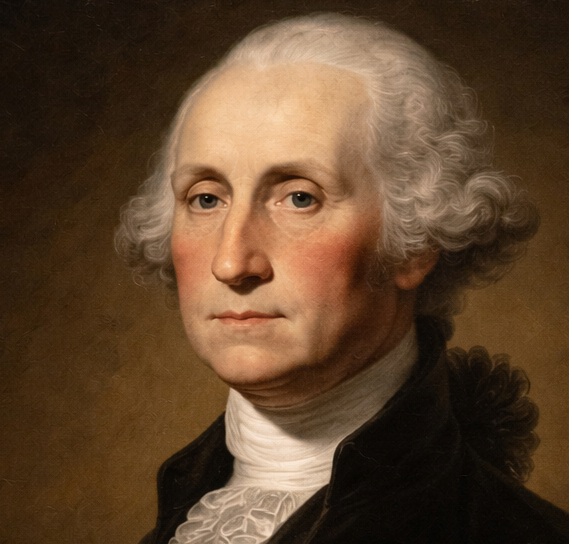
Figure 1. Portrait of George Washington
Section 2: Righteous Moments and Decisions
Table 2. Key Righteous Decisions
| Event | Decision | Righteous Principle |
|---|---|---|
| Leading the Revolution | Risked failure for freedom | Courage |
| Winter at Valley Forge | Endured hardship with troops | Perseverance |
| Refusal of Absolute Power | Declined monarchy-like authority | Humility |
| Resignation After War | Gave up control voluntarily | Integrity |
Washington’s leadership was not defined by a single act, but by a pattern of righteous decisions as Table 2. His willingness to place principles above personal gain distinguishes him from many historical figures.
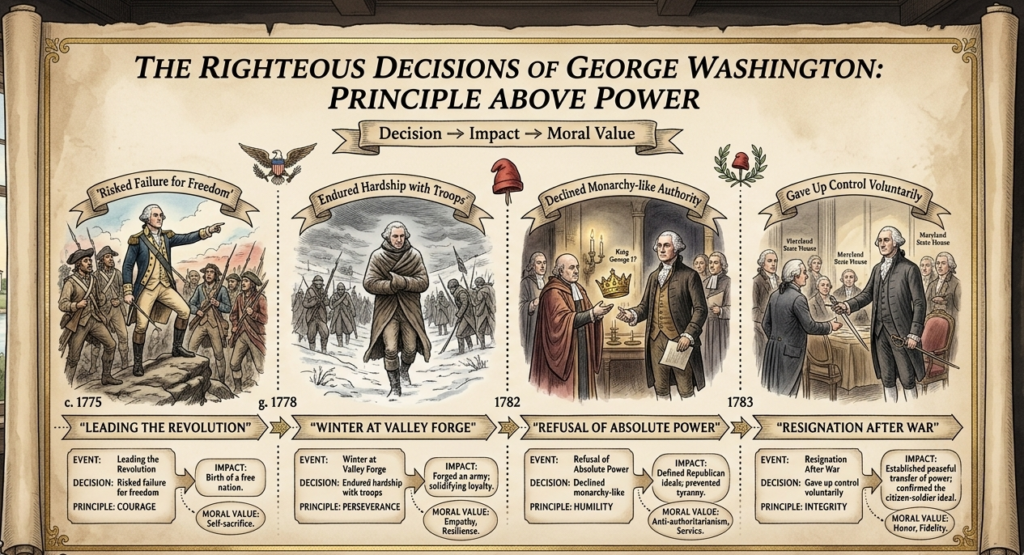
Figure 2. Timeline of Washington’s major decisions
Section 3: Righteous Innovation in History
A Pioneer of Righteous Leadership Innovation
Unlike many leaders of his time, Washington introduced a revolutionary idea:
Leadership should be limited, accountable, and guided by principle.
Table 3. Innovation Comparison
| Traditional Leadership | Washington’s Approach |
|---|---|
| Power is held indefinitely | Power is voluntarily limited |
| Authority comes from control | Authority comes from trust |
| Leaders dominate | Leaders serve |
Washington’s leadership redefined power by introducing restraint as a strength. His decision to step down established a new model of governance based on trust and accountability. This innovation continues to influence modern democratic systems and is often analyzed in academic and standardized test contexts as Table 3.
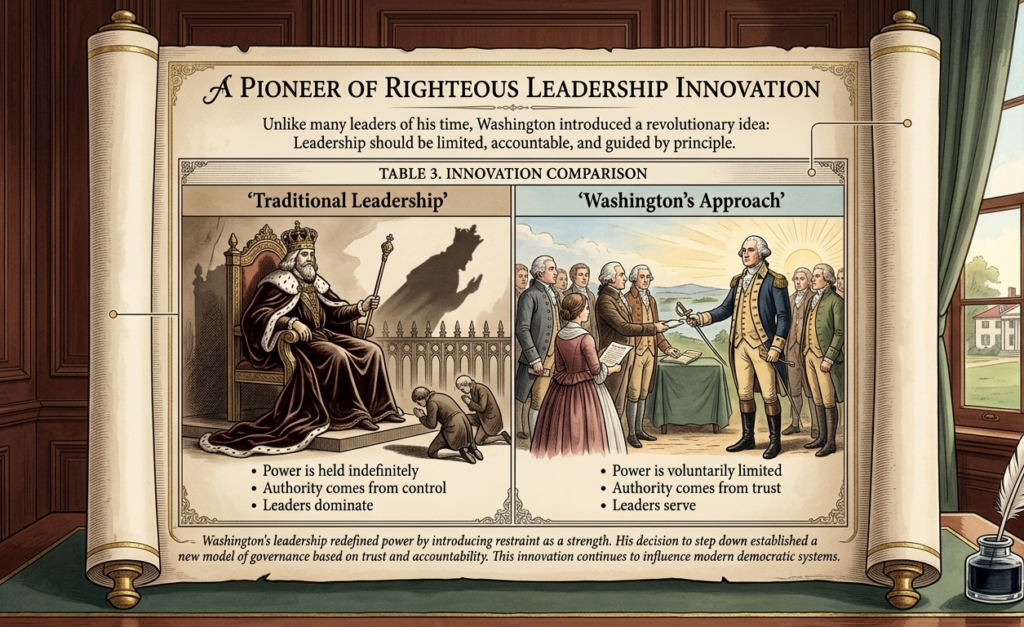
Figure 3. A historic moment of voluntary restraint
Section 4: Hard Times and Resilience
Title: Leadership Under Pressure
One of the most difficult periods Washington faced was the winter at Valley Forge.
Table 4. Challenges and Responses
| Challenge | Description | Response |
|---|---|---|
| Harsh Winter | Extreme cold and limited supplies | Maintained discipline |
| Low Morale | Soldiers discouraged | Inspired persistence |
| Resource Shortage | Lack of food and equipment | Strategic management |
Rather than giving up, Washington demonstrated resilience. His ability to remain steady during hardship strengthened both his leadership and the trust of his followers as Table 4.
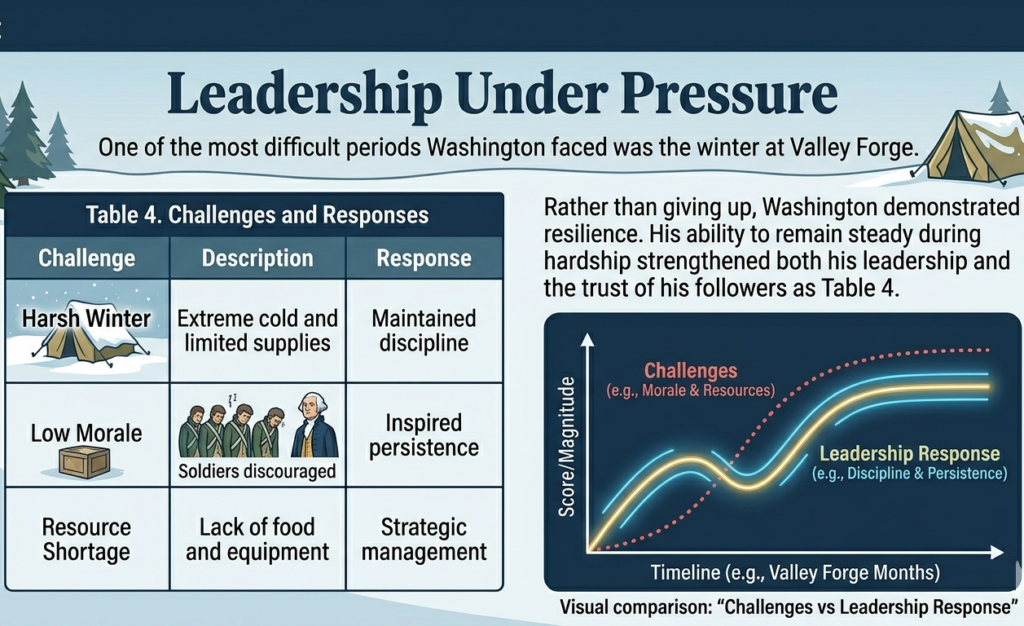
Figure 4. Challenges vs Leadership Response
🧩 Section 5: Museum-Inspired SAT Questions
Passage
George Washington demonstrated that leadership is not defined by control, but by principle. At a time when he could have secured lasting power, he chose instead to step aside. This act strengthened trust and showed that true authority comes from integrity rather than dominance.
Q1. Main Idea
A. Leadership requires maintaining control
B. True leadership is based on principle and restraint
C. Power ensures trust
D. Authority should not be questioned
Q2. Evidence-Based Question
A. He led a revolution
B. He stepped aside from power
C. He gained trust
D. He was a leader
Q3. Vocabulary in Context
“Principle” most nearly means:
A. Rule
B. Moral belief
C. Strategy
D. Law
🧩 Section 6: Think Like a Leader
You are a leader at a critical moment.
Which decision reflects righteous leadership?
A. Keep power
B. Step down for fairness
C. Share power selectively
D. Delay decision
🎭 Section 7: Riddle
I held great power but chose to release,
Not by force, but by peace.
A leader remembered not for control,
But for discipline of the soul.
Who am I?
SAT Skill Connection
This section strengthens your ability to identify main ideas, analyze evidence, and understand vocabulary in context—essential skills tested on the SAT.
✍️ Section 8: Apply the Lesson
What does righteous leadership mean in your life?
Write 2–3 sentences about a situation where choosing principle over personal advantage would make a difference.
✅ Answer Key
- Q1: B
- Q2: B
- Q3: B
- Puzzle: B
- Riddle: George Washington
References
Ellis, J. J. (2004). His Excellency: George Washington. New York, NY: Alfred A. Knopf.
National Archives. (n.d.). George Washington. Retrieved from https://www.archives.gov
Wood, G. S. (2017). Friends divided: John Adams and Thomas Jefferson. New York, NY: Penguin Press.