
Discover courage, strategy, and moral conviction from one of history’s most loyal leaders.
Introduction: A Symbol of Loyalty and Courage
What does it mean to remain loyal—even when the cost is everything?
Yue Fei (岳飛), a general of the Southern Song Dynasty in China, is remembered not only for his military victories but for his unwavering commitment to his country. His life reflects a powerful combination of courage, discipline, and righteousness.
This exhibit explores how his leadership continues to inspire both moral reflection and critical thinking—skills essential for success on the SAT.
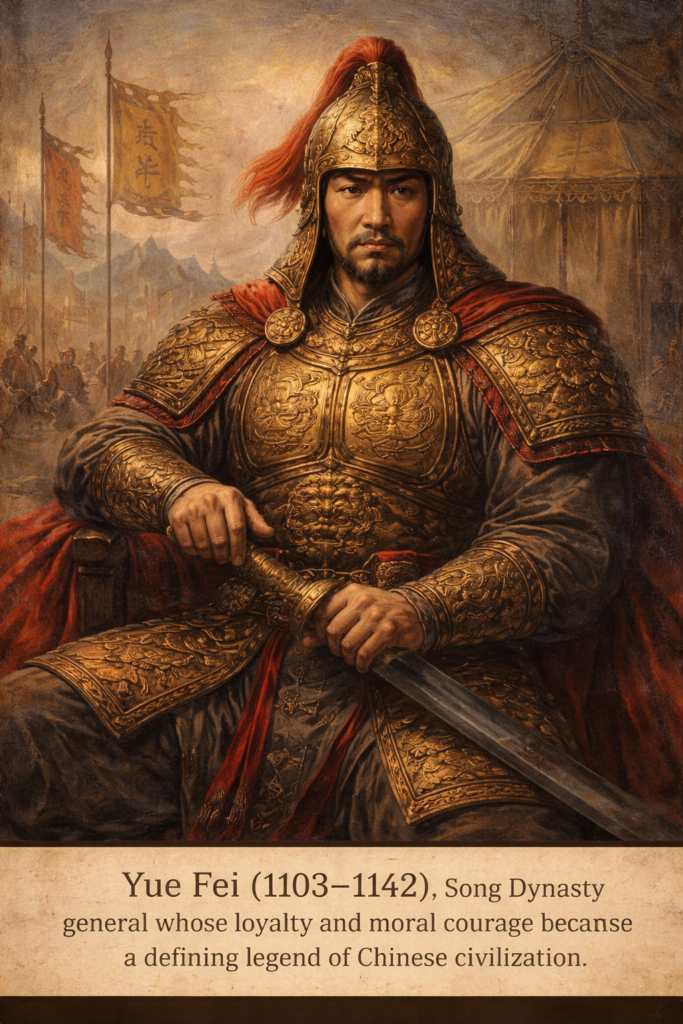
Figure 1. Artistic illustration of Yue Fei
Section 1: Basic Biography Overview
Yue Fei (1103–1142) is one of the most revered national heroes in Chinese history, often symbolized as the epitome of loyalty and patriotism. Born into a poor farming family during the Northern Song Dynasty, he rose through the ranks as a military general during the tumultuous era of the Southern Song Dynasty. His life’s mission was to “recover the lost territories” —specifically the ancient capital Kaifeng—which had been seized by the Jurchen-led Jin Dynasty.
Yue Fei founded the formidable “Yue Family Army,” known for its iron discipline and the famous motto: “Serve the country with supreme loyalty” (精忠報國), which his mother famously tattooed on his back. Despite numerous battlefield victories and coming close to crushing the Jin forces, Yue Fei’s campaign was sabotaged by corrupt court officials led by Qin Hui, who acted on the paranoid orders of Emperor Gaozong—a ruler who feared that recovering captive former emperors might threaten his own throne.
Yue Fei was falsely accused of treason and executed in prison at the age of 39. His posthumous vindication came decades later, and he was honored as the “Martial Saint.” Today, his tomb in Hangzhou features kneeling iron statues of Qin Hui, forever condemned by history. Yue Fei’s legacy is a powerful tragedy: a loyal general betrayed by his own government, yet immortalized as the ultimate symbol of selfless devotion to one’s nation.
Table 1. Key Facts about Yue Fei
| Category | Details |
|---|---|
| Full Name | Yue Fei |
| Born | 1103, Henan, China |
| Died | 1142, Hangzhou, China |
| Role | Military General (Southern Song Dynasty) |
| Major Achievement | Defended Song against Jin invasion |
| Legacy | Symbol of loyalty and patriotism |
Section 2: Righteous Moments and Decisions
Table 2. Key Righteous Decisions
| Event | Decision | Righteous Principle |
|---|---|---|
| Joining the Army | Defended nation despite risks | Loyalty |
| Leading Troops | Maintained strict discipline | Integrity |
| Advancing North | Sought to reclaim lost land | Courage |
| Obeying Recall Order | Returned despite success | Obedience & Honor |
Yue Fei consistently placed the needs of his country above personal success. Even when he was close to major victory, he followed orders from the emperor, demonstrating discipline and respect for authority.
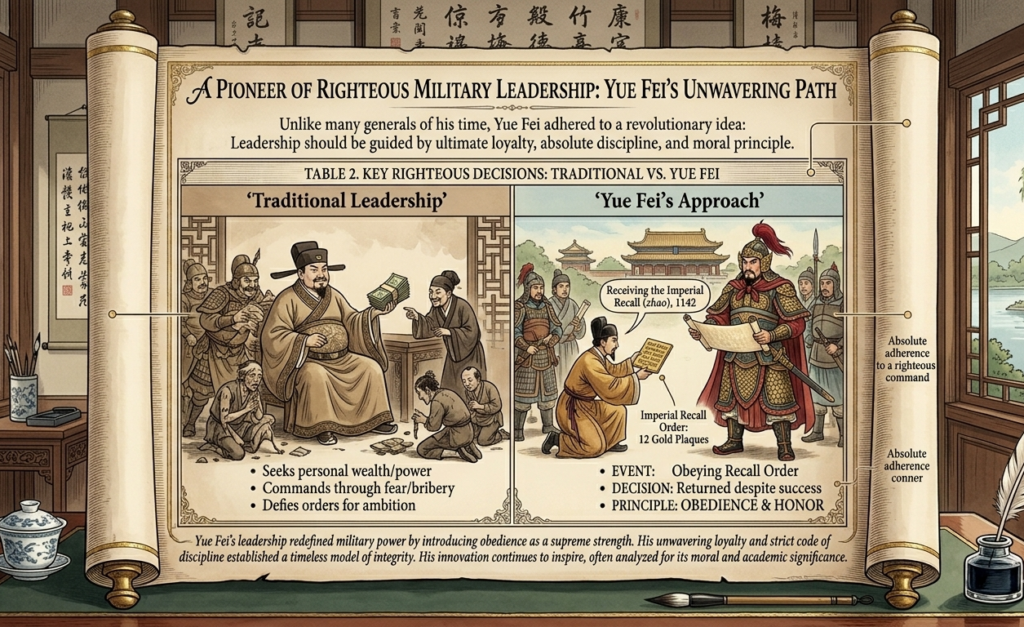
Figure 2. Key Righteous Decisions
Section 3: Righteous Innovation in History
A Pioneer of Strategic and Moral Leadership
Yue Fei introduced a powerful combination:
Military strength guided by moral discipline
Table 3. Traditional Military Leadership vs. Yue Fei’s Righteous Innovation
| Aspect | Traditional Way (Before/Alongside Yue Fei) | Yue Fei’s Pioneering Innovation |
|---|---|---|
| Definition of Loyalty | Absolute obedience to the emperor’s person, regardless of the ruler’s wisdom or morality | Supreme loyalty to the country and people (精忠報國), placing national interest above dynastic politics |
| Obedience to Corrupt Orders | Blind compliance; “The emperor’s word is law” | Principled resistance — refusing illegal or harmful orders, even at the cost of one’s life |
| Military-Civilian Relations | Plundering peasants for supplies; viewing civilians as expendable resources | Strict code: “Do not take a single needle or thread from the people” — earning popular trust and voluntary support |
| Discipline Standard | Punishment for disobedience, but inconsistent enforcement; officers often exempt | Equal justice — discipline applied to all ranks; his own son was punished for minor infractions |
| Motivation for Soldiers | Pay, fear, or forced conscription | Patriotic ideology and shared moral purpose; soldiers fought willingly for “recovering lost territory” |
| Post-Victory Behavior | Looting, rape, and destruction as “rewards” for soldiers | Restrained governance — restoring order, protecting civilians, and rebuilding conquered regions |
| Legacy Model | Generic general — replaceable servant of the throne | Moral archetype — the righteous martyr who chose death over dishonor; became a template for future patriots |
| Attitude Toward Power | Flattery and submission to secure favor | Integrity over promotion — speaking truth to power, even when it meant personal ruin |
Yue Fei’s pioneering innovation transformed military leadership from a transactional role (serve the emperor for reward) into a transformational vocation (serve the nation with righteous integrity). While the traditional way prioritized stability through obedience, Yue Fei prioritized honor through principled defiance — a model that cost him his life but immortalized his name.
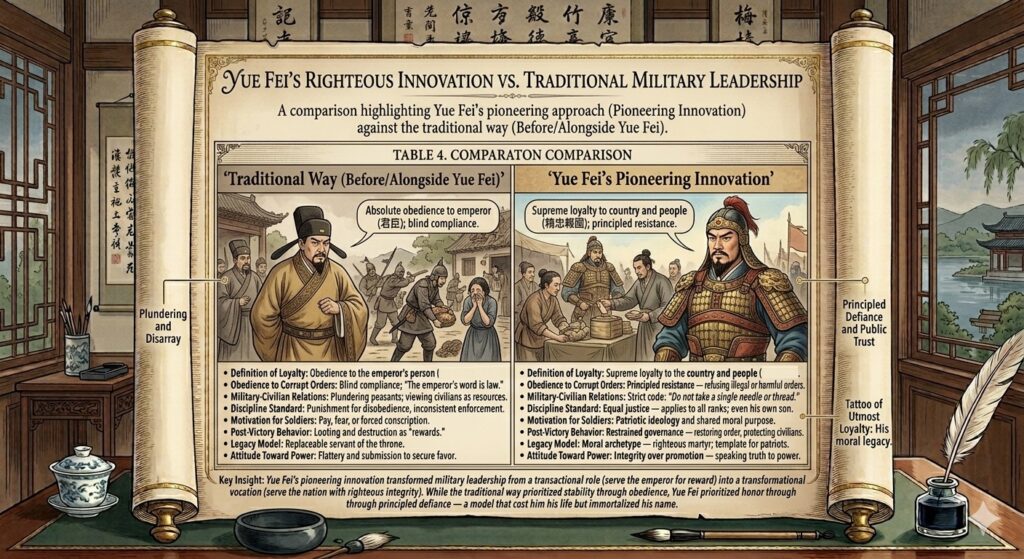
Figure 3 Yue Fei’s Righteous Innovation
Section 4: Hard Times and Resilience
A Tragic Test of Righteousness
Despite his success, Yue Fei faced political opposition within his own government.
Table 4. Challenges and Responses
| Challenge | Description | Response |
|---|---|---|
| Political Opposition | Officials feared continued war | Remained loyal |
| False Accusations | Accused unjustly | Accepted fate with dignity |
| Execution | Ordered by court politics | Maintained honor |
Yue Fei’s greatest challenge was not on the battlefield, but in politics. He was ultimately executed due to false charges influenced by court officials, despite his loyalty and achievements. (Encyclopedia Britannica).
Reflection: His story reflects a deeper lesson. Righteousness does not always guarantee immediate reward—but it creates lasting legacy.
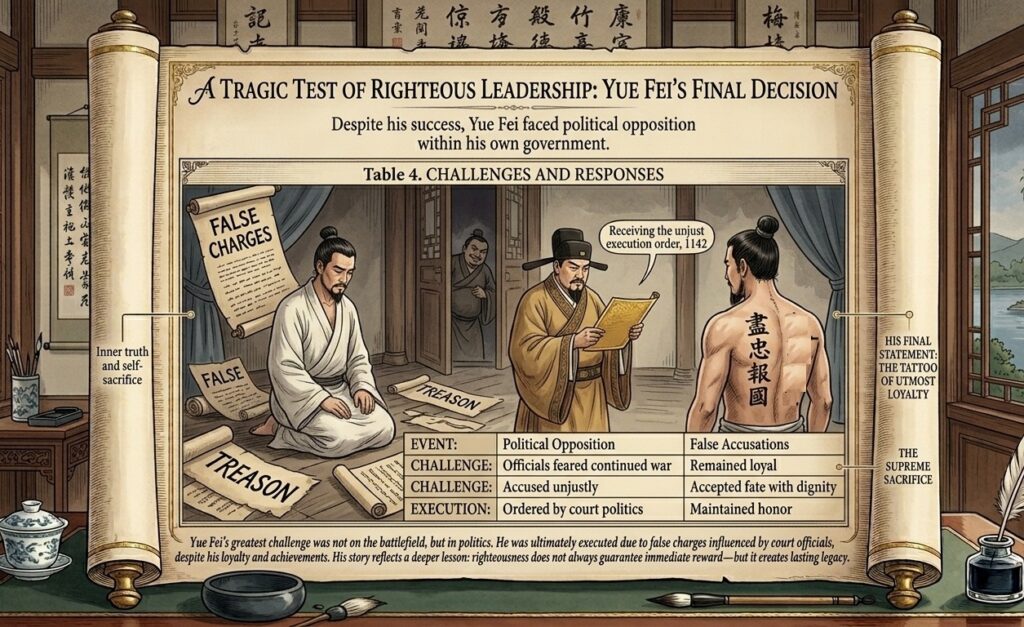
Figure 4. Yue Fei’s Greatest Challenge and Response
🧩 Section 5: Museum-Inspired SAT Questions
Passage
Yue Fei demonstrated that leadership requires both courage and discipline. Although he achieved success on the battlefield, he remained loyal to his government’s commands. His actions show that true leadership is guided not only by strength, but by principle.
Q1. Main Idea
A. Leadership depends only on strength
B. True leadership combines discipline and principle
C. Success is measured by victory alone
D. Authority should not be followed
Q2. Evidence-Based Question
A. He fought battles
B. He followed government orders
C. He led an army
D. He gained recognition
Q3. Vocabulary in Context
“Principle” most nearly means:
A. Rule
B. Moral belief
C. Strategy
D. System
Section 6: Think Like a Leader
You are a general close to victory, but your leader orders you to retreat.
What is the most righteous decision?
A. Ignore the order and continue
B. Follow the order despite personal disagreement
C. Delay action
D. Transfer responsibility
Section 7: Riddle
I fight with strength but lead with mind,
To serve my land, my fate I bind.
Though victory near, I turned away,
For loyalty guided my way.
Who am I?
SAT Skill Connection
This section helps you practice identifying main ideas, analyzing evidence, and understanding vocabulary in context—core skills tested on the SAT.
By connecting historical leadership to analytical thinking, you strengthen both comprehension and reasoning abilities.
Section 8: Apply the Lesson
What does loyalty mean in your life?
Write 2–3 sentences about a situation where following principles is more important than achieving immediate success.
✅ Answer Key
- Q1: B
- Q2: B
- Q3: B
- Puzzle: B
- Riddle: Yue Fei
References
Encyclopaedia Britannica. (2026). Yue Fei. Retrieved from https://www.britannica.com/biography/Yue-Fei (Encyclopedia Britannica)
Mair, V. H., Chen, S., & Wood, F. (2013). Chinese lives: The people who made a civilization. Thames & Hudson.
Wikipedia contributors. (2025). Yue Fei. Retrieved from https://en.wikipedia.org/wiki/Yue_Fei (Wikipedia)